


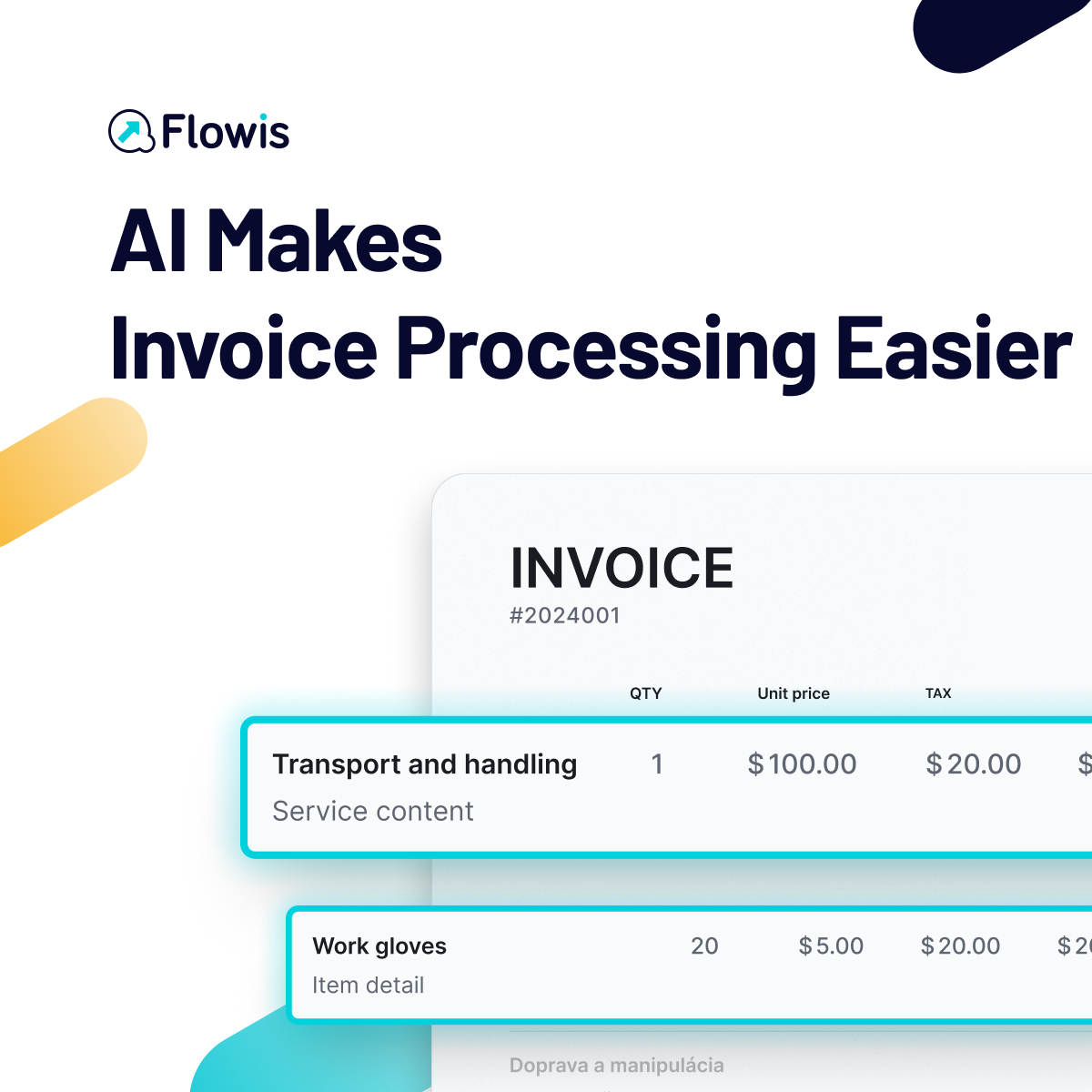
AI invoice processing makes AP work easier by helping teams deal with the messy parts of real invoice handling. It does not only capture data from documents. It also helps teams work through inconsistent layouts, incomplete fields, and exceptions that would otherwise create delays. The result is less manual correction, faster invoice handling, and better use of team capacity.
That matters because invoice processing becomes difficult not only when volumes are high, but when too many invoices need checking, fixing, and routing by hand. AI helps reduce that effort when it is built into the wider process instead of being used as a standalone reading tool.
Why invoice processing often stays too manual
Many AP teams already use OCR, but OCR alone does not solve the whole problem. It can read text from an invoice, yet it often struggles when supplier formats change, scans are unclear, or key fields appear in different places.
That is why invoice processing still depends on people for validation, correction, and next-step decisions. In real life, the time drain is not only data entry. It is everything that happens after capture, including rechecking fields, splitting documents, and deciding how the invoice should move forward.
This is where OCR vs AI becomes a practical distinction. OCR reads the document. AI helps make invoice handling more reliable in everyday conditions.
What AI improves in daily AP work
The biggest value of AI invoice processing is that it reduces the effort needed to move an invoice from intake to a useful next step.
In daily AP work, AI can help teams:
- recognize invoice fields across different supplier layouts
- reduce correction work when data is incomplete
- support document classification before routing
- improve handling of more complex line-item invoices
- separate routine invoices from exceptions faster
That creates cleaner invoice intake and gives AP teams more time for the cases that genuinely need review. Instead of treating every invoice as a manual task, the process becomes better at identifying what can move forward quickly.
This is one reason accounts payable automation works better when AI is part of the workflow, not only the capture step.

Why AI helps most with exceptions
The easiest invoices are usually not the real problem. The harder cases are the ones that create delays: changed supplier formats, missing references, multi-page PDFs, or invoices that do not fit the usual pattern.
AI helps by making exception handling faster and more focused. It can help identify which invoices are likely standard and which ones need attention, so routine documents do not get slowed down by a smaller number of problem cases.
Why AP teams feel the benefit beyond speed
Speed is important, but AP teams often feel the biggest improvement in how manageable the work becomes. When fewer invoices need manual cleanup, fewer follow-ups are required, and fewer documents get stuck for avoidable reasons, the whole day becomes easier to control.
That leads to:
- more consistent invoice handling
- less repetitive work
- better visibility into bottlenecks
- stronger confidence before posting
- smoother day-to-day operations
For growing finance teams, this matters a lot. AI does not only help them process more invoices. It helps them create more stable daily workflows with less wasted effort.
Why AI and automation works best inside a connected process
AI and automation of invoice processing brings the most value when it is tied to routing rules, approvals, and connected systems. If extracted data still has to be manually re-entered or rechecked in separate tools, much of the value disappears.
That is why workflow management and ERP integration matter so much. Once invoice data is captured and validated, it needs to move through the right approvals and into downstream systems without unnecessary friction.
Conclusion
AI invoice processing makes invoice work easier for AP teams by reducing correction work, improving exception handling, and helping standard invoices move faster through the process. The benefit is not only quicker extraction. It is better day-to-day control, clearer operational flow, and more time for higher-value work.
For AP leaders, that is the real advantage. AI works best when it helps teams spend less time fixing documents and more time managing the parts of the process that require judgment.