


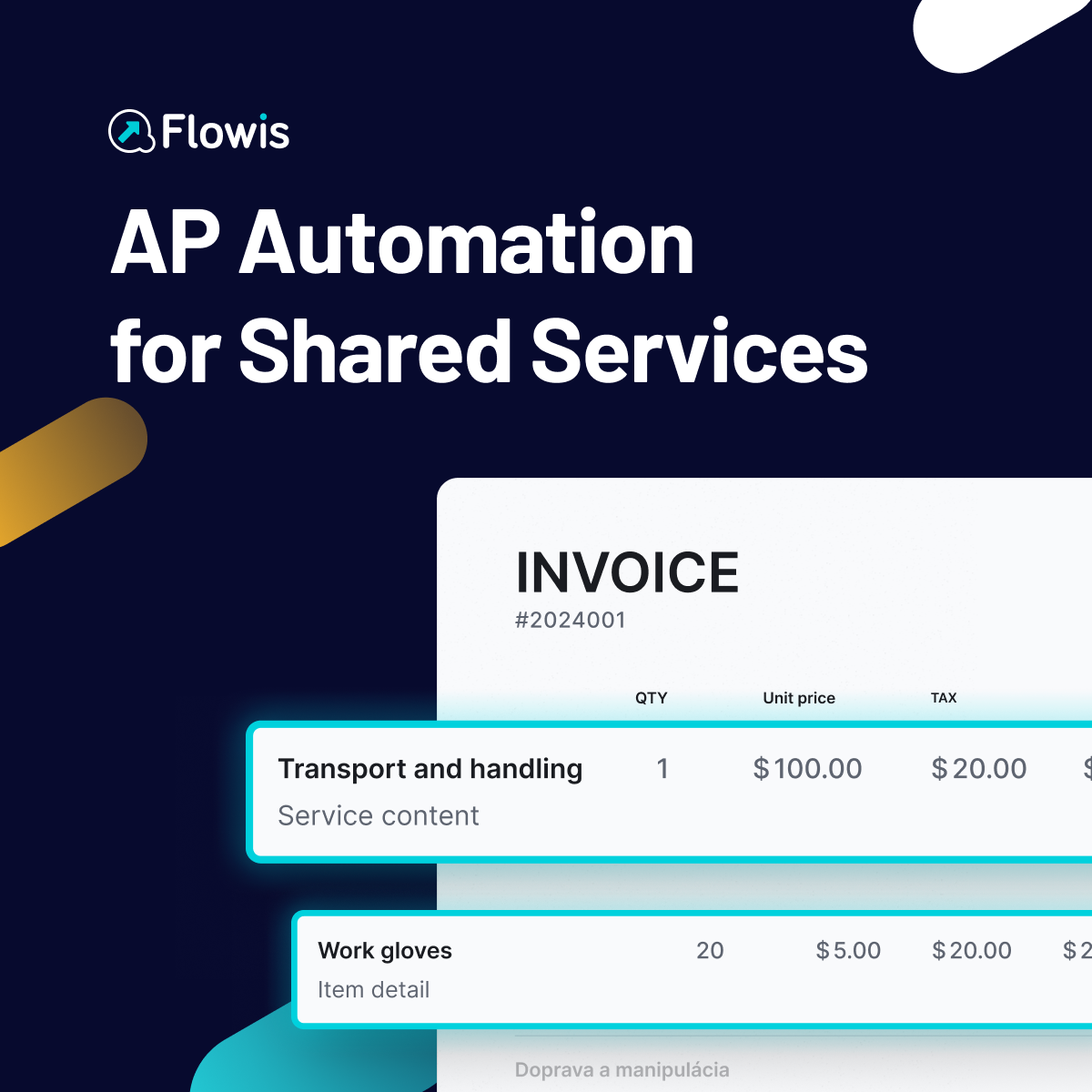
Shared services teams often carry the weight of high-volume invoice handling, approval coordination, exception resolution, and ERP-related finance operations. As invoice volumes grow across business units and countries, manual AP processes become harder to control and more expensive to run.
That is why AP automation for shared services has become such an important operational priority. It helps teams create faster invoice processing, better visibility across entities, and more consistent execution without constant manual follow-up.
Why manual AP creates friction in shared services
Shared services environments are built for scale, but manual AP processes work against that goal. Teams often still depend on inboxes, spreadsheets, ERP handoffs, and email reminders to move invoices through review and approval.
This creates friction at exactly the point where standardization should help most. Instead of running a repeatable process, teams lose time on duplicated checks, missing data, approval chasing, and inconsistent routing rules. The result is more operational drag, lower confidence in invoice status, and less time for exception handling that actually needs human judgment.
The challenge becomes even more visible when shared services support multiple entities or countries. Small process differences quickly turn into larger control problems if invoice intake, validation, approvals, and posting are not managed through one clear workflow.
What AP automation should improve in a shared services model
The real value of AP automation is not just speed. Shared services teams need a model that improves control, reduces coordination effort, and stays manageable as transaction volume rises.
A strong AP automation setup should improve:
- faster handling of standard invoices
- clearer ownership of approvals and exceptions
- better visibility across teams and entities
- more reliable policy enforcement
- stronger auditability across the full AP process
These are the outcomes that matter in shared services. The goal is to create a scalable operating model that allows finance teams to process more work with more consistency, not just digitize old manual habits.
Where AP automation brings the biggest value
The biggest gains usually come from the most repetitive and rule-based parts of the AP process. That includes invoice intake, data extraction, validation, routing, reminders, and status tracking.
This is where accounts payable automation becomes especially useful. Instead of relying on people to move each invoice manually, the process can apply consistent rules, route documents automatically, and surface exceptions earlier. That creates less manual coordination, more predictable throughput, and fewer avoidable processing delays.
For shared services teams, this matters because the workload is rarely simple. High-volume AP operations need automation that can handle standard cases efficiently while still giving teams visibility into the few cases that require attention.
Why workflow matters just as much as OCR
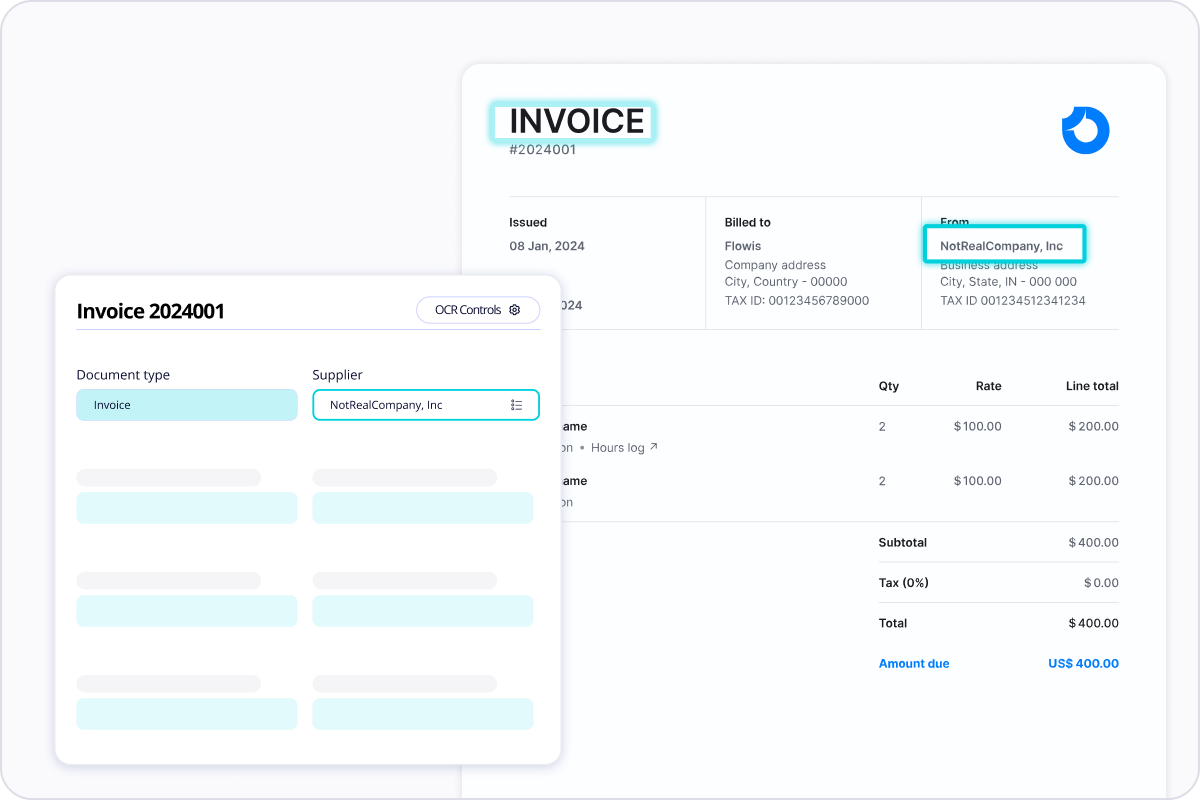
Many AP teams start with data capture improvements, often through OCR technology. That is an important step, but it does not solve the whole shared services challenge.
OCR helps reduce manual data entry, but shared services problems usually continue after invoice capture. Delays still happen in approvals, exception handling, supplier queries, and ERP posting. Without workflow control, the process simply shifts the bottleneck downstream.
That is why workflow management matters so much. Shared services teams need clear routing logic, automated reminders, and structured exception paths. When workflow is built into AP automation, teams gain better day-to-day control and less dependence on email-based follow-up.
How AP automation supports ERP-connected shared services
Shared services teams do not work in isolation. AP usually depends on ERP data, approval matrices, accounting rules, and finance reporting structures. That makes integration a core part of successful automation.
With ERP integration, approved invoice data can move more cleanly into finance systems without manual re-entry or fragmented handoffs. That creates cleaner data transfer, less duplication, and more reliable finance records across entities.
This ERP-connected approach is especially valuable for companies centralizing AP in one team while still supporting multiple business units. It helps shared services maintain consistency without creating more local workarounds. When combined with process automation, the AP process becomes much easier to scale as organizational complexity increases.
What outcomes finance leaders can expect
Organizations invest in AP automation for shared services because manual growth is expensive. More invoices should not automatically mean more headcount, more bottlenecks, or more process risk.
When AP automation is implemented well, shared services teams can expect:
- shorter invoice cycle times
- better visibility into bottlenecks
- stronger control over approvals and exceptions
- less time spent on repetitive administration
- better audit readiness across AP operations
- more capacity for teams to focus on complex cases and improvement work
These outcomes are not just operational improvements. They help finance leaders build a shared services model that is more resilient, easier to govern, and better aligned with business growth.
Conclusion
AP automation for shared services helps finance teams move from manual coordination to controlled execution. By standardizing invoice handling, improving routing, and connecting the process to ERP and workflow logic, it creates a model that is easier to scale and easier to trust.
For organizations trying to centralize finance operations without adding complexity, AP automation delivers more control, better visibility, and a more efficient shared services operation.