

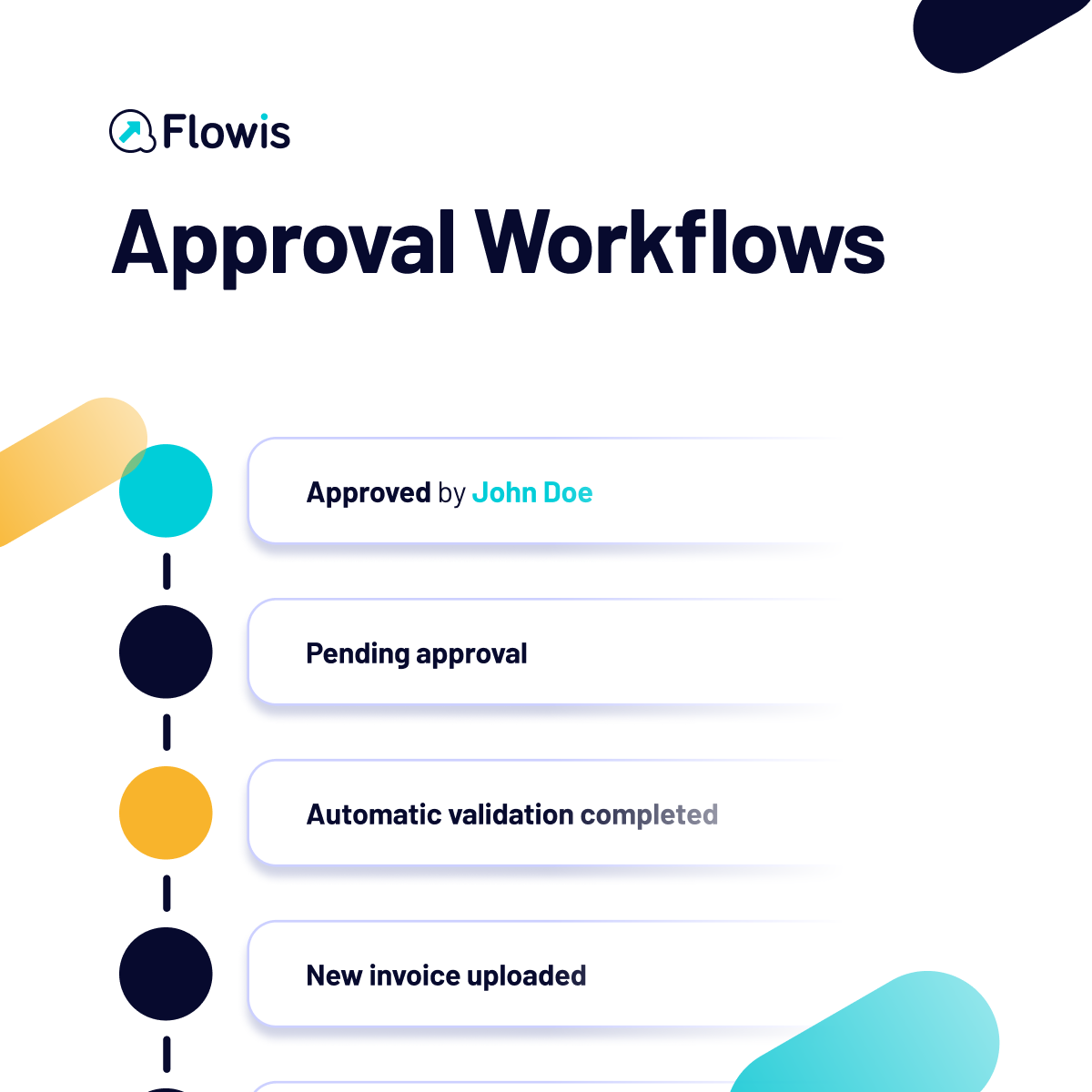
Approval automation workflows improve process control by replacing informal handoffs with structured execution. Instead of relying on email chains, ad hoc reminders, and unclear ownership, companies can route approvals through defined rules, assigned responsibilities, and visible process stages. The result is faster decisions, better oversight of who needs to act, and stronger consistency across the process.
That matters because process control is not only about governance. It is also about whether work keeps moving without confusion. When approval steps are handled manually, delays, missed actions, and inconsistent decisions become much more likely. With approval automation workflows, companies gain clearer accountability, fewer approval bottlenecks, and a more reliable way to manage exceptions.
Why manual approvals weaken process control
Manual approvals often work for a small team or a low transaction volume. People know who usually approves what, and the process can move forward even without strict structure. But once more departments, entities, or approval levels are involved, that approach becomes fragile.
Requests start sitting in inboxes, follow-up becomes manual, and it becomes difficult to see whether the right person has approved the right step. This weakens control because the company no longer has a dependable way to manage the flow of decisions. Instead of a controlled process, approvals become a coordination exercise.
That usually leads to longer cycle times, less confidence in process status, and more room for inconsistent handling across teams.
What approval automation workflows change
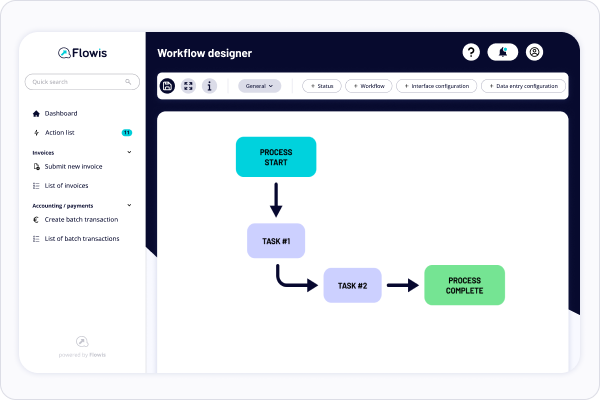
Approval automation workflows turn approvals into a governed sequence of actions rather than a loose set of expectations. Rules define where a request should go, who should review it, when escalation should happen, and what should occur after approval or rejection.
This creates several improvements at once:
- each approval step has a clear owner
- routing follows consistent business rules
- exceptions are easier to identify and handle
- the full approval history is visible
- teams can see where work is delayed
These improvements matter because control depends on visibility and consistency. If a company cannot see where work is, who is responsible, or why an approval is waiting, it cannot truly control the process. This is why workflow management is such an important foundation for approval-heavy operations.
How automation improves speed without reducing control
A common misconception is that adding control always makes a process slower. In reality, approval automation often improves speed precisely because it removes uncertainty.
When routing is automatic, a request does not wait for someone to forward it manually. When reminders and escalations are built into the workflow, teams do not have to chase the next approver themselves. When approval logic is predefined, decisions are made inside a structured path instead of through repeated clarification.
That means companies can achieve faster turnaround, less wasted admin effort, and stronger compliance with internal approval rules at the same time. In many cases, the process becomes both faster and more controlled because fewer steps depend on memory or informal communication.
This is one of the practical reasons why process automation creates value beyond simple time savings.
Where process control improves the most
Approval automation workflows are especially valuable in processes where multiple people, thresholds, or exceptions are involved. That includes accounts payable, purchase approvals, journal entries, master data changes, reimbursement requests, and shared service workflows.
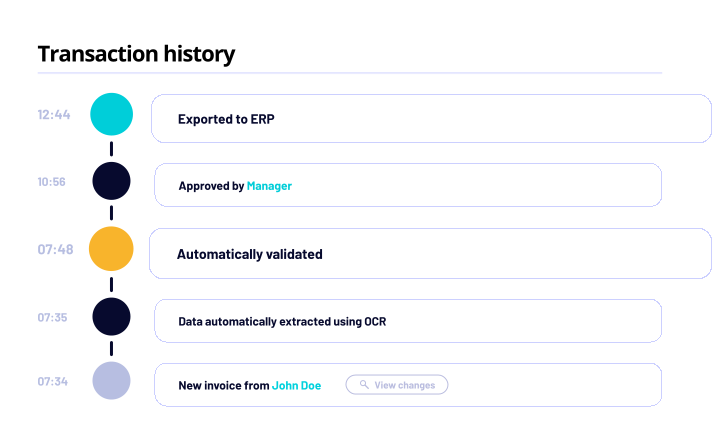
In these environments, process control improves in very practical ways. Teams can see whether a request is pending, approved, rejected, or stuck. Managers can identify where delays happen. Audit and finance teams can trace which decision was made, by whom, and when. This creates better accountability, stronger auditability, and more predictable execution.
For finance teams in particular, accounts payable automation is a good example of how approval workflows can improve both operational speed and control. Invoice approvals become more structured, routing follows approval rules, and the full process becomes easier to monitor.
Why visibility is central to approval control
Process control depends heavily on visibility. A company may have approval rules on paper, but if nobody can see what is waiting, what is overdue, or what has already been approved, those rules are difficult to enforce in practice.
Approval automation workflows make the process visible in real time. Users can see what needs action. Managers can see bottlenecks. Process owners can identify patterns in delays or frequent exceptions. This turns approvals from something reactive into something measurable and manageable.
That is also why educational topics like effective workflow management are so relevant here. Process control improves when workflows are not only defined, but actively visible and manageable across teams.
How approval workflows support stronger downstream execution
Approval control does not end with the approval itself. What happens after approval is just as important. Once a transaction is approved, it often needs to move into posting, ERP updates, notifications, or the next operational step.
If those handoffs are disconnected, process control weakens again. Approval automation workflows help keep the downstream path structured as well, especially when paired with ERP integration. Approved transactions can move forward with less duplication, fewer manual updates, and better consistency between process status and system status.
This is where workflow design becomes especially important. Approval automation should not be treated as a standalone feature. It works best as part of a wider operating model, similar to the logic described in How To Automate Your Approval Workflow.
Conclusion
Approval automation workflows improve process control by making approvals visible, structured, and consistent. They reduce the dependence on manual coordination, strengthen ownership, and create a clearer path for both standard cases and exceptions.
For growing teams, that makes a major difference. Better approval automation means better operational control, fewer delays, and more confidence that every decision is following the right process.