

In 2026, the most effective companies are not the ones constantly talking about efficiency. They are the ones whose processes simply work. There is no need to follow up, remind people, or search for information. Work flows naturally, supported by systems that remove friction instead of creating it.
A modern process is about clarity, structure, and the ability to scale without adding complexity. While the technology behind it matters, what truly defines a modern process is how little attention it requires from the people involved.
1. Clear structure instead of improvisation
Modern processes no longer depend on individual memory or informal knowledge passed between colleagues. Each process has a clearly defined start, a logical sequence of steps, and a clear end state that signals completion. Everyone involved understands what triggers the process and what outcome is expected.
This structure allows work to continue even when people change roles, go on vacation, or leave the company. The process itself becomes reliable and independent of individuals. As companies grow, this level of structure is what prevents small inefficiencies from turning into large operational problems.
2. Systems handle routine, people handle decisions
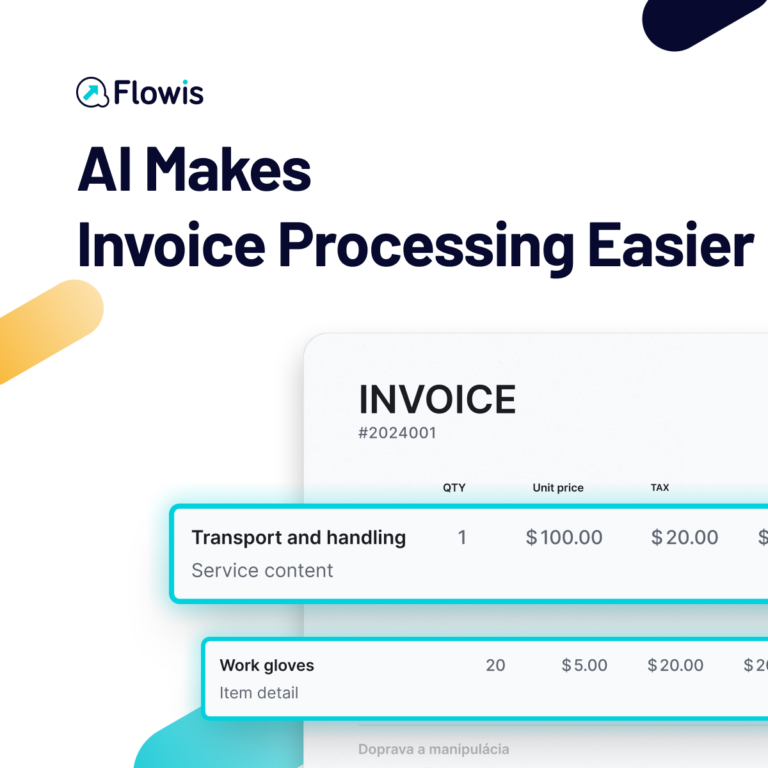
In a modern process, repetitive tasks are not handled manually. Data does not need to be retyped, documents do not need to be sorted by hand, and routine steps do not rely on human intervention. These actions are handled automatically by systems designed to recognize patterns and follow predefined rules. Technologies such as OCR and AI support this automation by turning documents into structured data and helping systems understand what the document is, what information matters, and where it belongs in the process.
People become involved when human judgment is required. This shift does not reduce the importance of employees. On the contrary, it allows them to focus on meaningful work instead of spending time on administrative tasks that add little value. In 2026, automation is no longer about replacing people but about respecting their time.
3. Approvals are transparent and predictable
Approvals have historically been one of the most common sources of delay. In modern processes, approval rules are clear and visible. Everyone knows who is responsible for approving what and under which conditions. If someone is unavailable, delegation or substitution is built into the process.
At any moment, it is possible to see the current status without sending emails or asking for updates. This transparency removes uncertainty and frustration. Approvals stop being a bottleneck and become a natural part of the workflow that keeps work moving forward.
4. One source of truth for documents and data
Modern processes are built around a single, reliable source of truth. Documents are stored in one place, changes are tracked, and historical decisions can be reviewed at any time. There is no confusion about which version is final or which data is correct.
This clarity is not only convenient. It is essential for audits, compliance, and internal trust. When everyone works with the same information, mistakes are reduced and accountability becomes part of everyday operations rather than an afterthought.
5. Processes that evolve with the business
A modern process is not static. It is designed to be observed, measured, and improved over time. Companies can see where work slows down, where errors occur, and where unnecessary steps exist. Improvements can be made gradually, without the need for large, disruptive IT projects.
As the business changes, processes adapt with it. This flexibility allows organizations to respond to new challenges without rebuilding their operations from scratch. In 2026, adaptability is just as important as efficiency.
6. Where workflow platforms fit in
This is the environment in which modern workflow platforms operate. They provide structure without rigidity, connect documents with automation and approvals, and allow business teams to shape processes without deep technical knowledge.
Flowis represents this approach by acting as a process layer between people and systems. Instead of forcing companies to change how they work, it helps them formalize, automate, and improve processes that already exist, making them more reliable and transparent.

7. Modern processes are the new standard
In 2026, modern processes are no longer a competitive advantage. They are the baseline for sustainable growth. Companies that rely on manual work, fragmented tools, and unclear responsibilities will find it increasingly difficult to scale without friction.
The real question for most companies is not whether they need better processes, but how much their current ones are still costing them every day.